YEW TREE CARAVAN / CAMPING & HOLIDAY PARK
CANTERBURY KENT

YEW TREE CARAVAN / CAMPING & HOLIDAY PARKCANTERBURY KENT
|
|
|
|||||||||||||||||||||
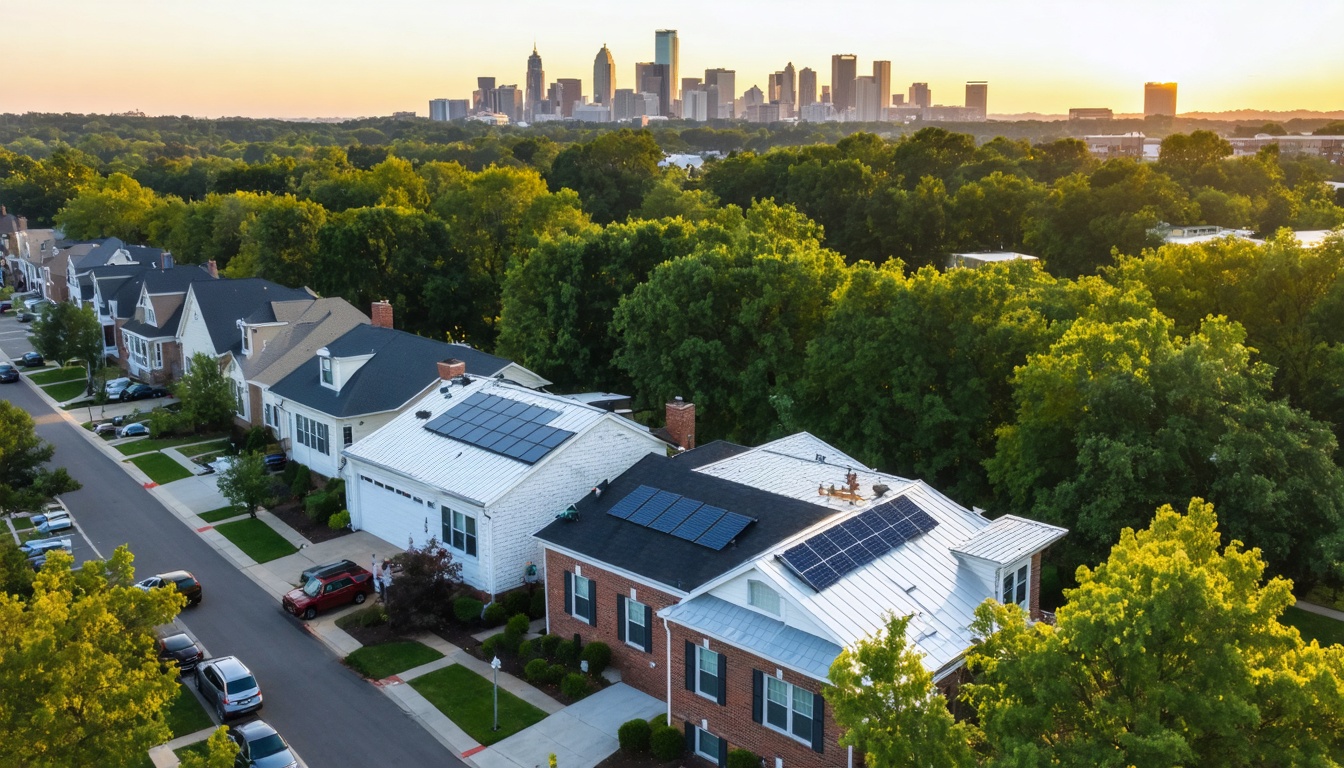 Solar Ready Roof Upgrades That Matter for Homes in Charlotte, North CarolinaConsidering solar ready roof upgrades for your home in Charlotte, North Carolina, presents a tangible opportunity for enhancing energy efficiency and future-proofing your property. Such upgrades are designed to prepare your roof for the installation of solar panels and can offer several advantages. One notable benefit is the potential to increase your property’s value. Homes equipped with solar-ready roofing may appeal more to buyers interested in energy efficiency and cost-saving technologies. Additionally, making these upgrades can contribute to lower energy costs over time by facilitating a smoother transition to solar energy when you choose to install panels. Moreover, solar-ready roofs can also enhance your home’s resilience to local climate conditions. This is particularly relevant in Charlotte, where weather patterns can present challenges. However, it is important to recognize that not all roofing solutions provide the same level of preparedness for solar panel installation. The materials and design choices you make can significantly influence the effectiveness and efficiency of future solar implementation. In summary, while considering solar ready roof upgrades, it is crucial to assess the long-term impact of your choices, as they can have lasting implications for both your home's value and energy efficiency. Understanding Solar-Ready Roofing in CharlotteA solar-ready roof can facilitate the integration of solar panels in homes in Charlotte, reducing the need for extensive renovations. Suitable roofing materials include metal roofs, asphalt shingles, seam metal, and thermoplastic olefin (TPO) membranes, which are known for their durability and compatibility with solar applications. In North Carolina, homeowners who make upgrades to accommodate solar installations may be eligible for incentives, including the 30% Federal Tax Credit, and can explore detailed information at https://solarpanelscharlotte.com/. This incentive can potentially increase property value while also lowering energy expenses. Furthermore, implementing green design principles can improve the performance of local buildings by enhancing their ability to reflect sunlight, which may help lower attic temperatures and overall cooling costs. It is advisable to engage a qualified installation team familiar with local building practices to ensure that the solar-ready roof meets relevant regulations and standards. Prospective homeowners should consider arranging a consultation or requesting a detailed quote to confirm that their roofing system can effectively support a solar project. Key Features of Eco-Friendly Roof MaterialsWhen considering eco-friendly roofing options for homes in Charlotte, it is important to select materials that are durable and energy-efficient. Metal roofs, which can be made from up to 95% recycled content, are recognized for their reflective properties that help reduce energy costs by minimizing heat absorption. Cool roofs, which may employ reflective shingles or thermoplastic polyolefin (TPO), can effectively lower attic temperatures and thereby reduce cooling expenses during the warmer months. Tile roofs also represent a common option due to their extended lifespan and thermal performance, which can help maintain interior comfort over time. Additionally, roofs that are designed to accommodate solar installations may enhance the property's market value, particularly when paired with available incentives and tax credits aimed at promoting residential solar energy use. It is crucial to ensure that roof installations are conducted by qualified professionals to maximize efficiency and longevity. This is especially relevant given the specific climate and environmental conditions of North Carolina. Collaborating with a local, reputable contractor may facilitate effective project management and implementation. Seeking expert consultations can aid homeowners in understanding their options and making informed choices regarding eco-friendly roofing materials. Comparing Roofing Options for Optimal Energy EfficiencyThe choice of roofing material plays a crucial role in determining the energy efficiency of a home, particularly in regions like Charlotte, which experiences hot and humid summers. A review of various roofing options indicates that materials such as metal roofs and reflective shingles effectively minimize solar heat absorption. By maintaining lower attic temperatures, these materials can potentially lead to reduced cooling costs for homeowners. For flat roofing systems, thermoplastic olefin (TPO) is a commonly recommended option for both residential and commercial applications in North Carolina due to its durability and energy-efficient properties. Other materials, including tile and standing seam metal roofs, can also improve energy efficiency and may enhance the overall market value of a home. It is advisable for homeowners in Charlotte to hire local roofing teams for installation to ensure adherence to best practices and compliance with relevant building codes. Moreover, homeowners should be aware of the potential for federal tax credits and incentives available for energy-efficient renovations, which can assist in managing project expenses. Additionally, obtaining free quotes from service providers can help in making informed financial decisions regarding roofing projects. Benefits of Solar Integration for Residential PropertiesThe installation of solar panels on residential properties offers a range of practical benefits that extend beyond the potential reduction in monthly utility expenses. Research has shown that solar upgrades can increase home value by approximately 30%, a consideration that is particularly relevant in the real estate market in Charlotte, North Carolina. Utilizing roofing materials such as asphalt shingles, metal roofs, or thermoplastic polyolefin (TPO) can help reduce cooling costs, as these materials are designed to reflect sunlight, thereby assisting in maintaining lower attic temperatures. Furthermore, financial incentives, including a Federal Tax Credit of 30%, can make solar projects more economically feasible for homeowners. It is important to note that professional installation of solar systems is crucial for ensuring their efficiency and long-term reliability. Transitioning to renewable energy sources not only adds measurable value to residential properties but also contributes to broader sustainability goals within the community. Homeowners interested in solar integration are encouraged to conduct a thorough analysis of their options and can obtain valuable information by scheduling a free consultation with our team. Typical Costs and Payback Periods for Roof UpgradesThe costs and payback periods associated with solar-ready roof upgrades in Charlotte, North Carolina, depend on various factors. Homeowners can expect project expenses to range from $10 to $15 per square foot, influenced by their choice of roofing materials, such as shingles, asphalt, metal roofs, or TPO (thermoplastic olefin). For a typical home measuring approximately 1,800 square feet, the total cost may fall between $12,500 and $28,000. This price range accounts for solar features, professional installation, and necessary measures for storm resistance. The financial return from these upgrades may be optimized through federal tax credits, local incentives, and energy savings due to enhancements in roof performance, such as improved heat reflection and lower attic temperatures. Consequently, the expected payback period for such investments tends to range from 6 to 10 years. Additionally, green roofing upgrades can potentially increase property value by 20 to 30 percent while also lowering energy costs. Homeowners considering these upgrades should seek a detailed quotation to gain a clearer understanding of the specific costs and benefits relevant to their situation. Popular Roof Types and Trends in Charlotte, NCRoofing trends in Charlotte, NC, are primarily shaped by durability, cost considerations, and the regional climate. Asphalt shingles remain the most commonly selected roofing material among homeowners due to their relatively low cost and the widespread availability of professional installation services suitable for various building types. In recent years, metal roofs—particularly standing seam metal roofs—are gaining favor. Their durability makes them well-suited for the severe weather conditions often experienced in the area. Metal roofing also supports solar energy installations, which aligns with the increasing interest in renewable energy solutions. Cool roofs, TPO (thermoplastic polyolefin) flat roofs, and tile roofs are also becoming more popular because of their energy-efficient attributes. These roofing materials reflect sunlight effectively, helping to lower attic temperatures and subsequently reduce cooling costs during warmer periods. Moreover, there is a notable trend towards adopting green design principles, with many homeowners opting for energy efficiency upgrades that may qualify for federal tax credits. This inclination contributes to the overall sustainability of residences in the area. For individuals interested in local incentives or seeking a roofing quote, consulting with roofing professionals in Charlotte may provide useful information and guidance. Steps to Prepare Your Roof for Solar Panel InstallationBefore installing solar panels on your home in Charlotte, it is crucial to ensure that your roof is properly prepared to support the weight and function of the panels. Begin by hiring a qualified team to conduct a comprehensive assessment of your roofing material, which may include asphalt shingles, standing seam metal, TPO (thermoplastic polyolefin), or flat roofing systems. It is important to evaluate the age of your roof and inspect for any existing storm damage, as these factors can affect the structural integrity and suitability of your roof for solar installations. Certain roofing materials, such as reflective or cool roofing, may offer additional advantages by reducing attic temperatures and minimizing cooling costs, which could ultimately enhance property value in North Carolina. For larger solar panel installations, reinforcing the roof structure may be necessary to meet safety and compliance standards. It is advisable to consult with a professional installation team to address your specific requirements and to review local building codes pertinent to solar energy systems. Additionally, obtaining a written quote from a qualified professional can assist you in making informed decisions about your solar energy investment. Incentives and Financing Programs for Energy UpgradesThe costs associated with upgrading to an energy-efficient roof can be substantial; however, various incentives and financing options in Charlotte may help offset these expenses. One key financial incentive is the federal tax credit, which allows homeowners to receive a deduction of 30% on qualified projects, potentially resulting in savings of up to $1,200 on materials such as thermoplastic polyolefin (TPO), asphalt shingles, or metal roofs. In addition to the federal tax credit, Duke Energy offers a rebate of $0.15 per square foot for the installation of cool roof systems, which can further reduce the overall cost of these upgrades. North Carolina homeowners also benefit from a property tax exclusion that ensures there are no increased assessments on property value that results from such improvements. Homeowners may also access Property Assessed Clean Energy (PACE) financing, a program that allows for manageable repayment terms for the necessary upgrades. To take full advantage of these incentives, it is important to select roofing materials that comply with ENERGY STAR standards, particularly for flat roofs and standing seam metal roofs, which emphasize energy efficiency. In conclusion, while the initial investment in energy-efficient roofing can seem high, the combination of financial incentives and financing programs can significantly reduce these costs, making energy upgrades more feasible for homeowners. Long-Term Maintenance Strategies for Upgraded RoofsRegular maintenance is crucial for protecting your investment in a solar-ready roof in Charlotte. It is advisable to schedule annual roof inspections and conduct seasonal maintenance to ensure shingles remain secured and gutters are clear, thereby reducing the risk of water damage. Professional installation services from qualified contractors can enhance the roof's performance and lifespan. Additionally, maintaining detailed records of all maintenance activities can simplify warranty claims and possibly lower repair costs in the long run. In North Carolina, monitoring attic temperatures and ventilation plays a vital role in achieving optimal energy efficiency. Inspections should routinely include evaluations for storm damage, cracks, and debris accumulation across various roofing types, such as asphalt, TPO, metal, and flat roofs. Consulting local roofing professionals can provide essential insights into effective maintenance strategies, and many may offer free estimates to assess service needs. Consistent maintenance not only preserves the integrity of the roof but can also positively impact the overall value of the home. Enhancing Home Value and Comfort with Sustainable RoofingAn upgraded, solar-ready roof can offer practical benefits, such as improved energy efficiency and potential increases in property value. In Charlotte, the use of energy-efficient materials like TPO (Thermoplastic Olefin), metal roofs, and reflective shingles can lead to reduced cooling costs, lower temperatures in the attic, and an increase in home value per square foot. Homeowners may also take advantage of financial incentives, including the 30% Federal Tax Credit and various local incentives available in North Carolina. These incentives can enhance the return on investment for roofing projects. Additionally, metal roofing and reflective asphalt shingles are effective in reducing heat absorption, which can provide protective benefits to both residential and commercial buildings against storm damage and prolonged exposure to adverse weather conditions. It is recommended that homeowners consider hiring a professional installation team to ensure the roofing project is executed effectively in terms of design and performance. For further exploration of these options, obtaining a free quote or consulting with a qualified roofing contractor may be a practical next step. ConclusionUpgrading to a solar-ready roof in Charlotte provides several benefits related to energy efficiency and potential cost savings. A solar-ready roof is designed to accommodate solar panel installation, which can enhance a home's value and reduce energy bills over time. When planning for a solar-ready roof, proper materials and professional installation are essential to ensure optimal solar panel integration and sustained roof performance. Key considerations include roof slope, orientation, and structural integrity, which can influence the effectiveness of solar energy generation. Furthermore, homeowners can explore various local incentives and rebate programs that may be available to support solar integration. Regular maintenance of both the roof and the solar system can enhance durability and efficiency, contributing to long-term energy savings. Overall, investing in a solar-ready roof aligns with increasing energy independence and adopting more sustainable practices, offering both economic and environmental advantages for homeowners in the region. |
